
The Geometry of Silence: Exploring how space dictates thought
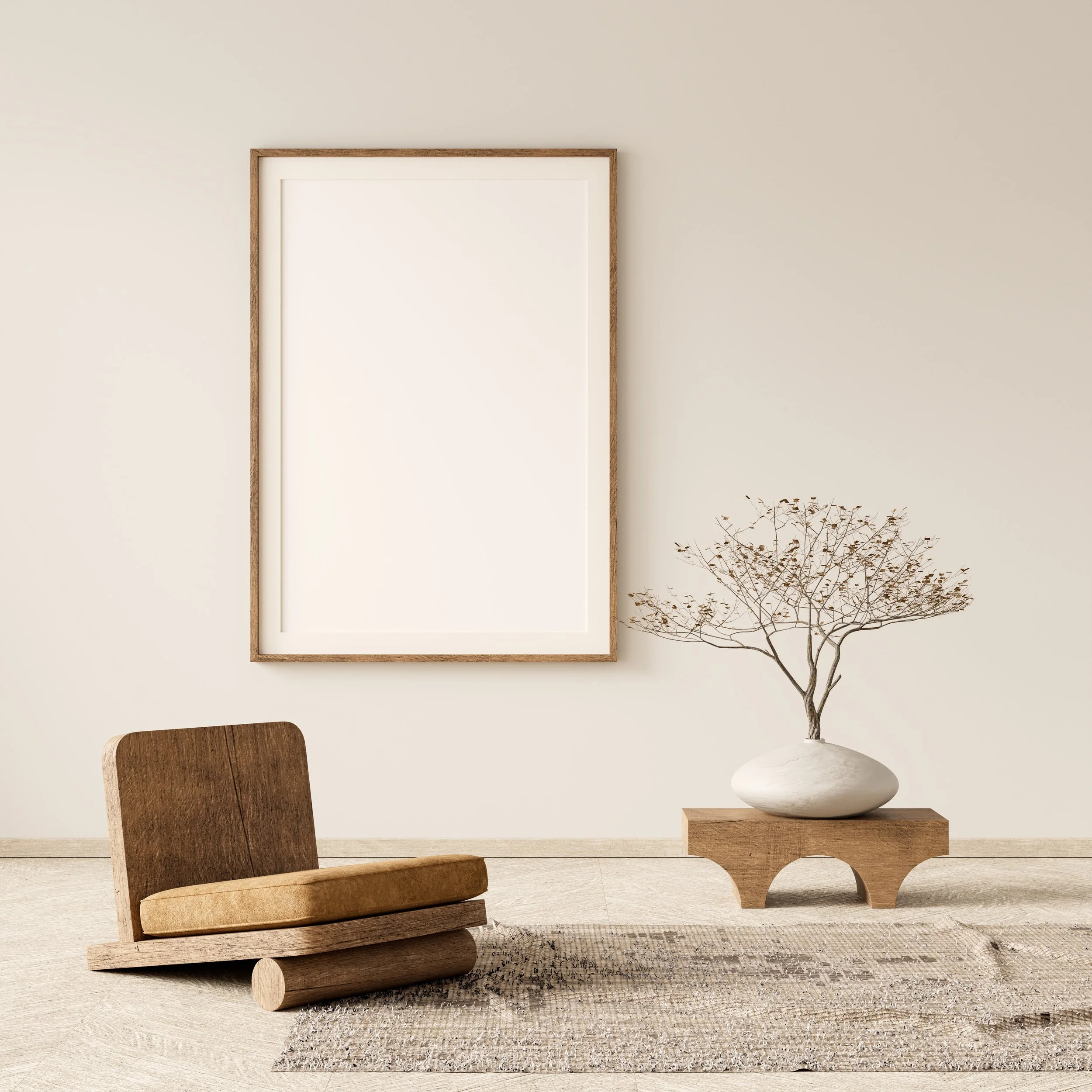
A wide shot of a living room with generous negative space. A large, low-profile chair anchors the room and faces into it. High ceilings, soft natural light and earthy textures. A single, sculptural organic-shaped ceramic vase sits on a minimalist wooden table. The overall feeling is airy, serene and uncluttered, hinting at both visual and auditory calm.
We often speak of silence as a void – a hollow space where sound simply fails to go. Yet, in the realm of intentional design, silence is not an absence, but a deliberate construction. It is a physical architecture that speaks to us through the resonance of a room, the weight of a fabric and the path our eyes travel across a horizon. At Maison Finley, we believe that the rooms we inhabit act as the silent partner to our internal monologue. When we manipulate the geometry of our surroundings, we aren’t just arranging furniture; we are tuning the frequency of our own minds. By harmonising the auditory, tactile and visual profiles of a home, we can transform a frantic environment into a sanctuary of “structured stillness”, where the space itself dictates the depth and clarity of our thought.

A close-up, artistic shot of a plush, deep-pile wool blanket in a muted/natural tone. The texture is visible rich and soft, with a subtle play of light and shadow emphasising its depth. This blanket invites tactile interaction, and clearly demonstrates a great sound-absorbing quality.
The Auditory Profile
Silence in a home isn’t the total absence of sound; it’s the absence of noise. The geometry of a room determines whether sound waves “shatter” against hard surfaces or “soften” into a hushed atmosphere. I studied physics during my school career and, forgive me for ‘being a nerd’, but there is a science to the way you design an environment.
To put it simply:
Flat/hard surfaces reflect sound.
Shaped/soft surfaces absorb sound.
Have you noticed in museums and galleries, when even a quiet whisper can echo in the magnificent exhibition halls? This is due to these spaces having high, flat ceilings and parallel, flat walls that are perfect for dramatically reverberating sound waves. When you make a noise in these environments, you will notice “flutter echoes”. Your sound bounces from one wall to another, and back again, and then to the ceiling and back to your ears, causing a distorted and unclear sound. Sounds like these keep your brain in a state of high alert, and your thoughts can feel scattered and loud.
At Maison Finley, we always focus on making sure that a room is “acoustically soft”. This helps the mind settle into deep, linear focus.

A cosy reading corner. Large and heavy floor-to-ceiling curtains are slightly pulled back, revealing a window with diffused light. A comfortable armchair is partially visible. The texture of the curtain and the softness of the armchair are the heroes here, with a role in dampening echoes.
So, what is acoustic softening and how can you implement this into your own life?
Acoustic softening is the use of organic shapes (curved sofas, heavy linen drapes and plush rugs) to break up the bounce of sound waves.
In recording studios, whether it be for music or podcasting, you will always find the walls coated in foam tiles that resemble egg boxes. It doesn’t take a professional sound engineer to understand that these are to treat the space acoustically, but it does take a special kind of mind to be able to recreate the effect of these foam tiles in a more stylish and aesthetically pleasing way. This is what we have perfected at Maison Finley.
Your space does not need to be fully furnished with softer furniture, but you can simply balance the space. For instance:
If you have a solid, oak dining table, you can complement this with some upholstered high-back chairs. The hard, reflective surface of the timber is balanced by the deep foam and fabric of the chairs, which absorb voice “bounce” during dinner conversations.
If you have a wooden television cabinet in your living area, you can accompany this with heavyweight linen curtains or a wool-blend rug. While the wood creates a beautiful visual structure, the textiles will catch the high frequency “clatter” or a room, creating a weighted silence.
These are just a few examples of how you can balance the soundscape of your space, to move it from reverberant and loud to hushed and intimate.
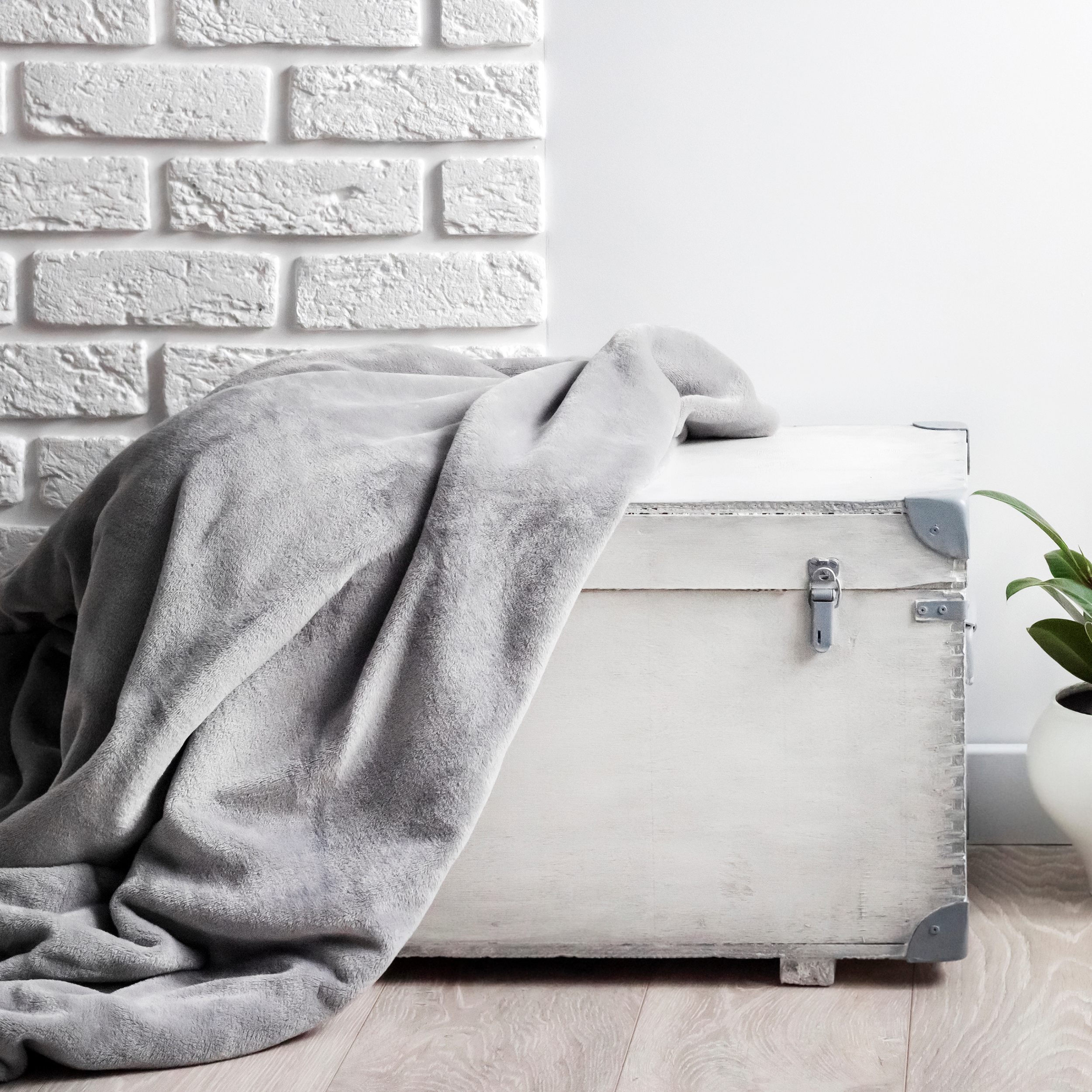
A shot contrasting two surfaces. On one side, a rough, angular box made of wood. On the other, a soft, textured fabric. The contrast is stark but elegant, highlighting the difference in sensory interaction.
The Tactile Profile
We think with our skin as much as our brains. The physical geometry of the objects we touch informs our sense of security and peace.
Do you remember the wooden desks and plastic chairs that we had to endure during our school careers? With the desks, your subconscious would always identify the squared edges as a physical hazard. If you move too quickly, you’ll catch a shin, or if you rest your arms on the edge, the cold, hard surface bites into your skin. These desks signalled to your nervous system that this is a place for alertness, not rest. Similarly, the plastic chairs featured sharp, 90-degree corners and cold, metal legs which kept your body in a state of micro-vigilance.
If you have similar furnishings in your place of rest, such as a glass coffee table with sharp corners and chrome legs, you will find yourself unable to fully sink into your evening. Your thoughts remain as jagged and brittle as the surfaces surrounding you. This is why, when we are tired or emotionally taxed, we instinctively gravitate toward rounded geometries and yielding textures.
A circular oak table or a sofa with rolled arms offers no point of attack. When your hand brushes against a rounded wood edge, the lack of a sharp termination allows the sensory input to be processed as “safe”. In the presence of soft tactile geometry, your internal monologue shifts from defensive/analytical to expansive/reflective. From “Watch your step, stay sharp” to “I am safe, I can let go”.
How can you use this information to your personal advantage?
In the morning, perhaps use a ceramic mug with a sharp, thin handle versus one with a thick, rounded grip. The latter will ground you for the day, whereas the former will keep you alert and prepare your mind for the productive day ahead. This is using tactile friction to increase productivity and assist you with waking up each morning.

A beautifully textured surface. The slightly rough timber grain of a table. The texture is emphasised by the grooves along each knot and crack, making it almost palpable. This shot conveys a sense of calm and groundedness.
Alternatively, you can come home and sit on a soft-edged, wooden bench to take off your shoes. This will act as a tactile ‘exhale’ for you, as opposed to coming home to a sharp-edged, metal table that will clash with your energy.
You can also use these techniques to create your separate working environments, if you work from home. Your office/study can feature the harder, sharper furniture and materials to keep you alert during your work. Your home, however, can feature the softer, rounded furniture to offer a complimentary, relaxing atmosphere.
For general use, however, you can mix and match textures throughout your living space to encourage the micro-interactions that soothe the skin. For instance:
Have a sculptural, velvet swivel chair with a coarse-woven bouclé footstool. The juxtaposition of sheen (smooth velvet) and grain (nubby bouclé) keeps the mind present. You could also have a stone side table paired with a cashmere or chunky knit throw. The literal coldness of the stone paired with the immediate warmth of the wool creates a sensory pulse that makes a reading nook feel safe and defined.
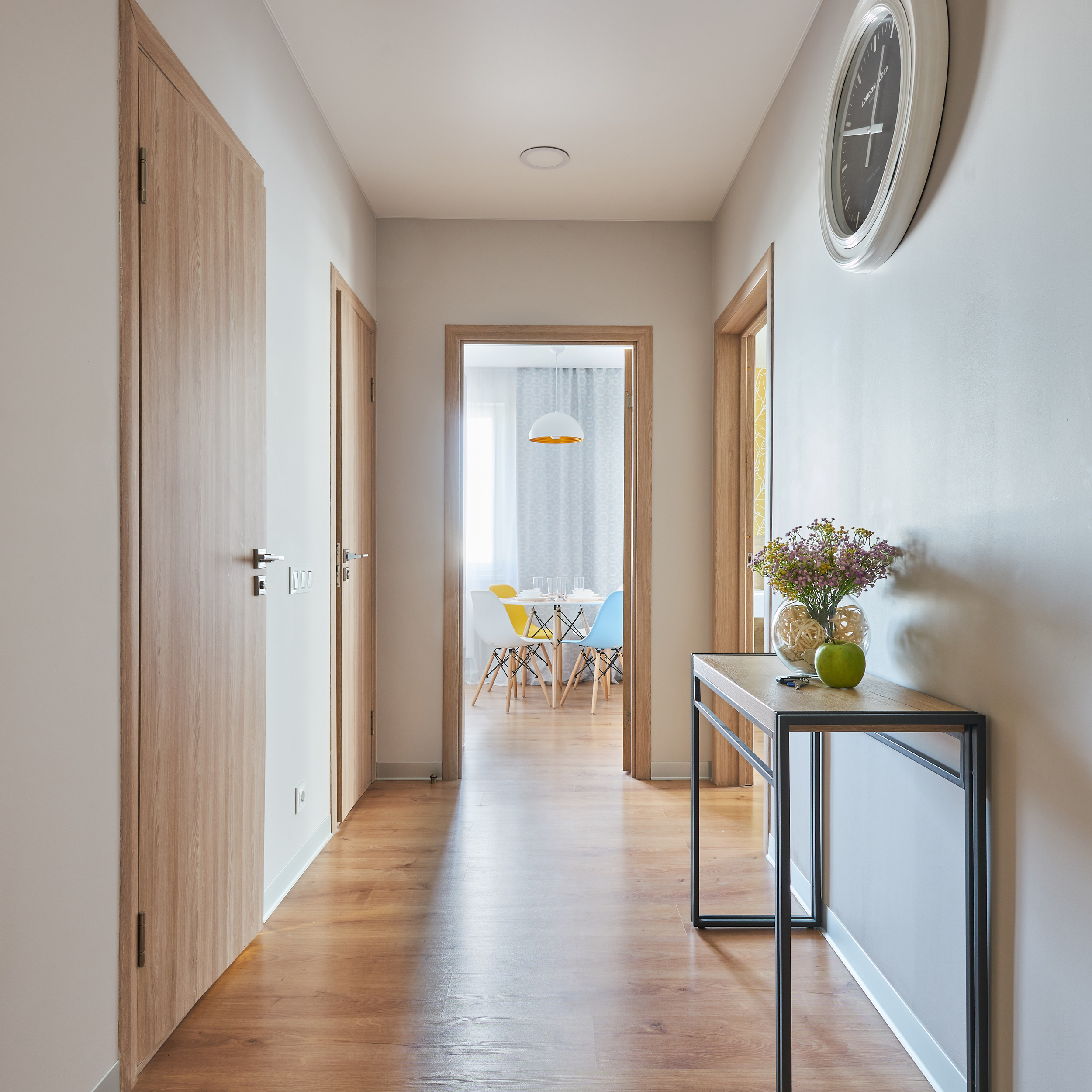
A long shot down a hallway, through an open doorway, leading to a dining area. This space is minimal, with clean lines and no visual clutter. The path of vision is unobstructed, and draws the eye effortlessly towards an intimate area of the home, where friends break bread together.
The Visual Profile
The goal with the visual profile is to reduce the cognitive load by providing a clear, rhythmic geometry. Visual silence is achieved through ‘negative space’ – the areas where the eye isn’t forced to work. This is the geometry of the ‘unseen’.
When a room is arranged so that the eye can travel to the horizon (or a window) without hitting clutter, the brain perceives this as ‘freedom’. Visual clutter acts as peripheral noise, which adds tax to your prefrontal cortex. A clean visual geometry allows the brain to enter a ‘default’ state – where daydreaming and creative problem-solving happen.
Going back to the art gallery from before: you would find it very difficult to dream up your own artworks while staring at the lily pads of a Monet painting. When you have this visual clutter in front of you, your brain will naturally be focusing on all the different details presented before your eyes and will struggle to process your own thoughts and ideas.
You might not have received support from a psychologist before, but even if you search for “therapist office” images online, you will notice that their spaces are designed with a minimalist style and have no peripheral noise that can distract the patient from conveying their true thoughts and feelings.
Maison Finley promotes this “power of the void” to enable relaxation and peace in both our travel destinations and in our daily lives.
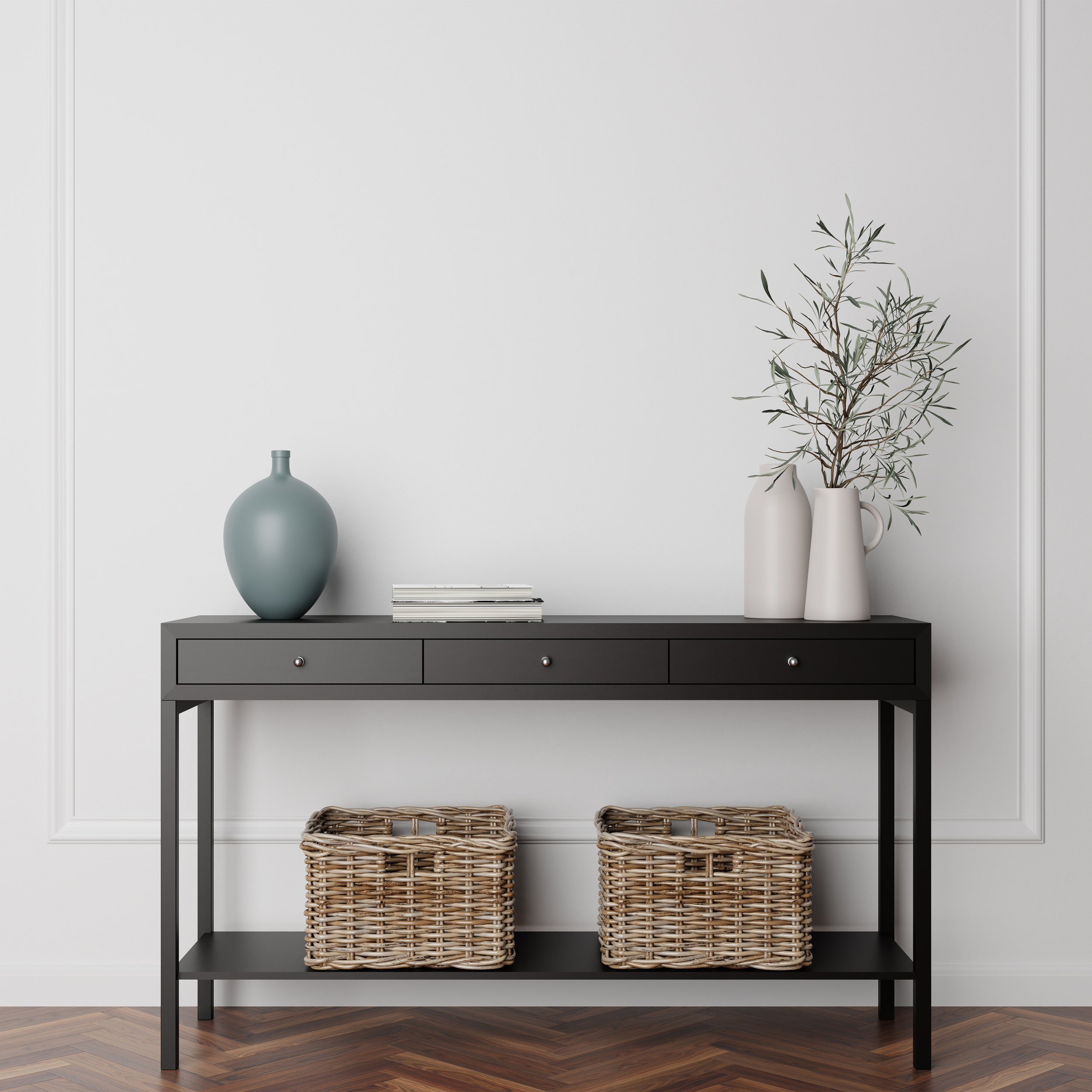
A minimalist cabinet, long and narrow, against a clean, unadorned wall. On the cabinet, only a few thoughtfully chosen items including some ceramic objects and coffee-table books. The surrounding empty wall space is as important as the objects, demonstrating the concept of visual clearing.
Let’s say that you have a living area with a low-profile modular sofa. The long, horizontal lines of the sofa create a ‘horizon’ in the room. This is the basis for your decoration, the anchor piece. Once you have this horizon, you should add a visual companion, such as an oversized, ceramic vase. While your horizon offers you the background of the room, the single, tall curve of the vase provides a resting point for the eye. This offers a slight contrast in the geometry of the room but displays an example of how you can tailor your furnishings to enhance the view of a particular item.
You could also have a minimalist, glass coffee table in your room. The transparency of the glass removes the visual weight from the centre of the room. This can be complimented with some hand-glazed ceramic lamps which offer a soft glow in the room. This pool of light will define the space’s boundary. The glass table opens the space to avoid the feel of being crowded, but the light reminds you that you are safe in the confines of your living area, and you are secure. This will allow your mind to remain calm and your imagination can run wild for any projects you may be working on.
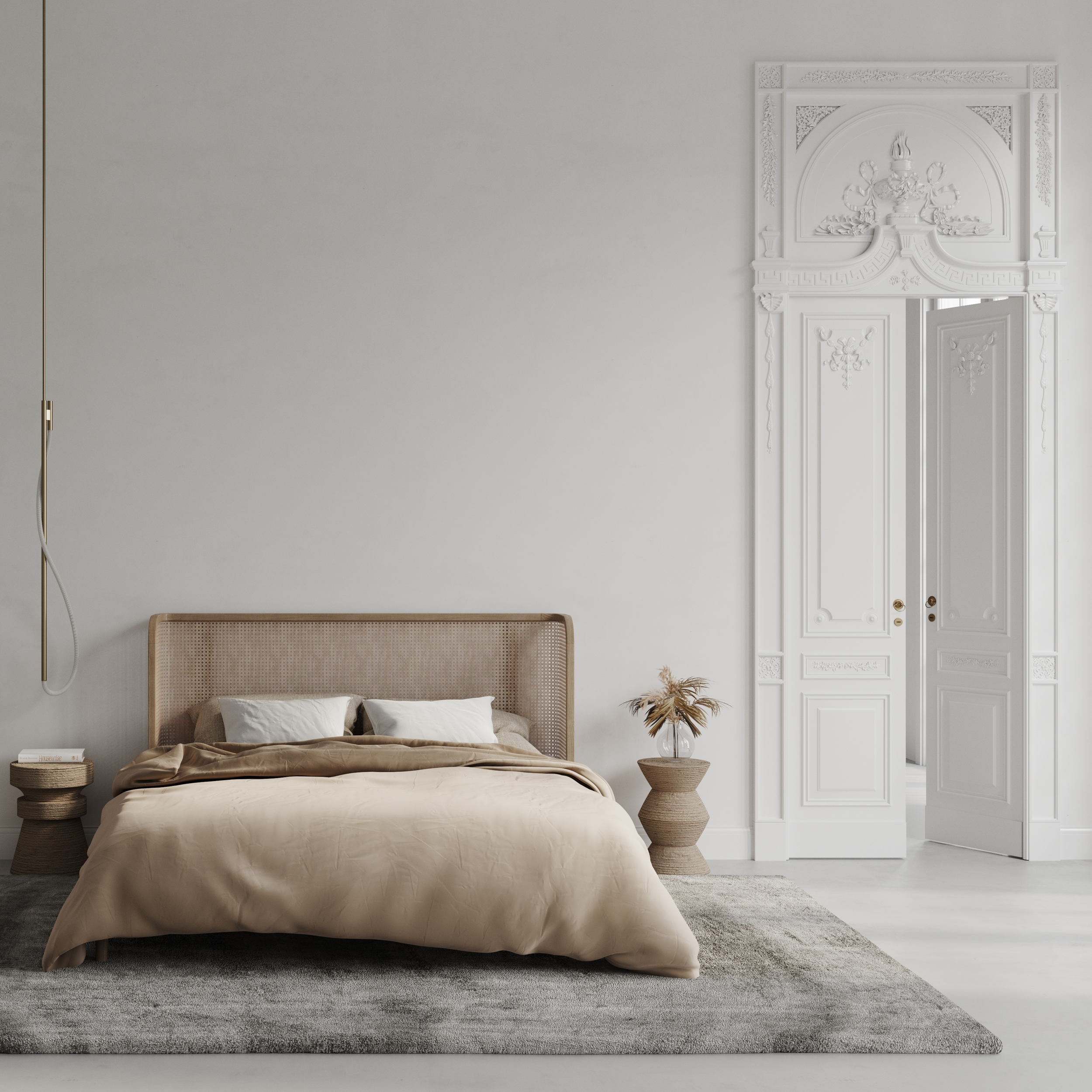
A wide shot of a thoughtfully designed bedroom that subtly integrates all three sensory elements. Soft, natural lighting, gentle curves in furniture, rich textures and clear visual pathways. You could be subtly present in this room, relaxed in the bed, gazing out of the window, embodying the structured stillness that Maison Finley promises. The overall feeling is one of complete harmony and deep peace.
Let’s run a comparison for each style of geometry:
High-Geometry (Sharp/Hard):
Auditory - Echoes, high frequency ‘clatter’.
Tactile - Precision, formality, coldness.
Visual - Complexity, rhythm, energy.
Mental Result - Analytical & Alert.
Soft-Geometry (Organic/Textured):
Auditory - Dampened, heavy silence.
Tactile - Security, comfort, warmth.
Visual - Simplicity, flow, rest.
Mental Result - Reflective & Calm.
We do not just inhabit a room; we inhabit the feelings that the room permits. By mastering the geometry of our senses, we don’t just decorate a space – we curate the very nature of our thoughts.
The above tips and tricks are applied in our sensory manifestos, that each member receives after their introductory 1-1 consultation with Maison Finley. We design all of your journeys, following some of the steps above, to ensure that you don’t just see the world, but you feel it too.
M.F